
How Breathing Works at Higher Altitudes and Why Air Can Feel More Demanding
Mountains, long hikes, travelling, flying or spending time in crowded cities. There are environments where you become much more aware of your own breathing. Sometimes all it takes is a few extra stairs, a steeper hill or several hours in a stuffy space for the body to start reacting differently than usual.
Breathing is an automatic process that we rarely think about. At higher altitudes or in more demanding conditions, however, many people notice that their breathing may become faster, deeper or less comfortable. The body is simply trying to adapt to its surroundings.
How Does Breathing Work at Higher Altitudes?
At higher altitudes, air pressure decreases. Although the percentage of oxygen in the air remains roughly the same, the lower atmospheric pressure means that less oxygen enters the body with each breath than at lower altitudes.
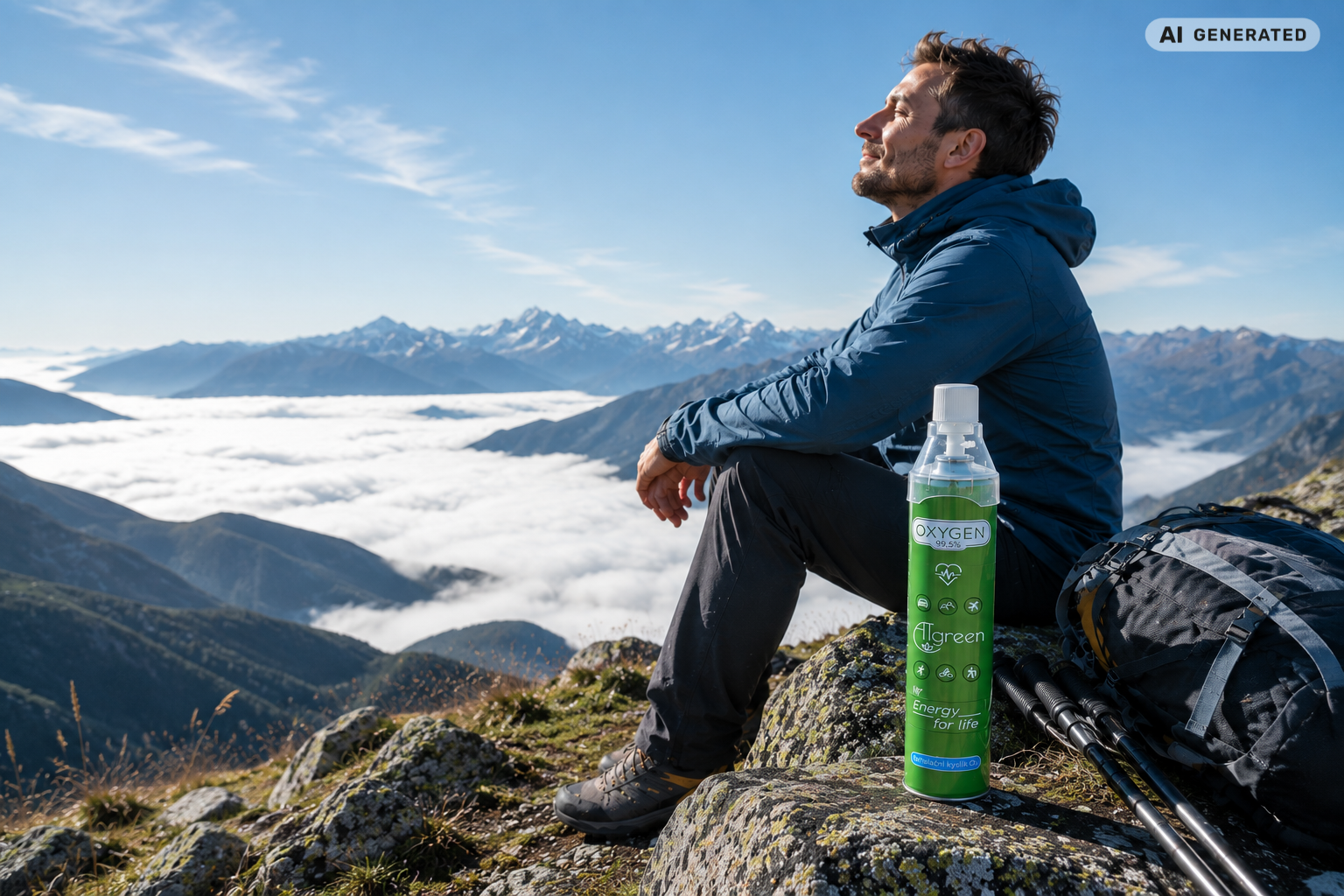
This is why people at higher altitudes may tire more quickly, become short of breath more easily, feel a greater need to rest or simply become more aware of their breathing. The body tries to adapt and gradually finds a new rhythm.
What Happens to the Body at Higher Altitudes?
The body is remarkably adaptable. As soon as it detects reduced oxygen availability, it begins to respond in several ways. Breathing may become faster, the heart may work harder and the body tries to use energy more efficiently.
- breathing rate increases,
- the heart pumps blood more vigorously,
- the body tries to use the available oxygen more efficiently,
- fatigue or a headache may occur,
- you may feel a greater need to rest.
For most people, these are natural responses to altitude. It is therefore important not to push the pace too hard, to take more breaks and to give the body time to adapt gradually.
Why Can Breathing Feel More Difficult in Some Environments?
It is not only about the mountains. Breathing may also feel less comfortable in crowded rooms, during long journeys, in air-conditioned spaces, in large cities or during physical activity without sufficient recovery.
In these situations, the body may respond with fatigue, a greater need to pause or the feeling that we need some “fresh air”. This is why many people instinctively open a window, take a short walk or seek a quiet moment away from the surrounding bustle.
Breathing is not only a physical process. Mental wellbeing, stress, the pace of the day and the body's ability to recover can also play an important role.
How Can You Cope More Comfortably with Demanding Environments?
Simple habits can often help. There is no need for complicated changes. The body generally benefits from a regular rhythm, a calmer pace and short moments of recovery throughout the day.
- stay well hydrated,
- remember to take short breaks,
- spend some time in the fresh air,
- consciously slow down during a demanding day,
- give your body enough sleep and time to recover.
It is often these small moments during the day that make the difference between feeling pleasantly tired in the evening and feeling completely exhausted.
A Scientific Look at Oxygen and Higher Altitudes
Scientific research has long shown that higher altitude affects breathing, heart rate and the way the body manages oxygen. The body attempts to adapt through increased ventilation and gradual changes in oxygen transport.
Research in respiratory physiology describes how people at higher altitudes may tire more quickly, experience changes in performance or need more time to recover. This is why athletes, travellers and hikers often pay greater attention to rest, hydration and conscious breathing.
It is important to remember, however, that everyone responds differently. Adaptation is highly individual and depends on fitness, age, previous experience and current health.
A Small Refreshment Ritual During the Day
More and more people create short personal recovery rituals while travelling, exercising or during long, active days. inhalation oxygen, which people use as a brief moment of refreshment during the day, is also becoming a popular part of a modern lifestyle.
ATgreen O₂ Citrus Mix
The fresh citrus aroma of pomelo and grapefruit offers a light and refreshing experience while travelling, on mountain trips or during active days.
The citrus notes feel light, clean and pleasantly fresh.
View O₂ Citrus MixATgreen O₂ Impulse Blend
This coffee-inspired aroma is a popular choice for long journeys, working days or active weekends.
The practical canister is easy to keep close at hand.
View O₂ Impulse BlendDiscover ATgreen Refreshment
Choose the variant that best suits your daily pace, travels and active lifestyle.
Visit the ATgreen E-shop